

Custom AI automation for real operations, not demos.
Custom AI automation for real operations: internal copilots, chat workflows, automated lead handling and integrations around your own business data. MrZaKaRiA scopes one workflow, ships it to production and measures the result.
SCROLL
WHAT WE BUILD
Practical AI, wired into how your business already runs
Not another generic chatbot. We design AI systems around your real workflows: internal copilots, automated lead handling, process intelligence and custom integrations that read and write to the tools you already use.
The goal is measurable operational value: fewer manual steps, faster answers and a clear path from a working prototype to a system your team relies on every day. It fits alongside business process automation, ERP and CRM systems and local AI for business.
Support, operations, lead flow
Use cases
Prototype to production
Delivery style
API-first
Integration scope
By the numbers
What deployment looks like in practice
0
Per-seat license fees
A custom system you own, so cost follows usage instead of headcount.
6
Weeks or less to production
A scoped first workflow reaches monitored production in 3 to 6 weeks, depending on how many systems it integrates with.
12
Years building production systems
The ERP, CRM and platform engineering the AI layer gets built on top of.
The case for AI
Why teams bring us in
Systems that ship, not slideware
Every engagement is built on real engineering discipline: integrated, monitored and maintainable, so the AI holds up under real usage. You get a partner who has shipped production software for over a decade, not a prototype that impresses in the demo and breaks the first Monday.
MrZaKaRiA
IT Expert0
Years building production systems
Capabilities
What an AI automation engagement delivers
Each capability is deployed against a specific process: scoped, integrated and measured.
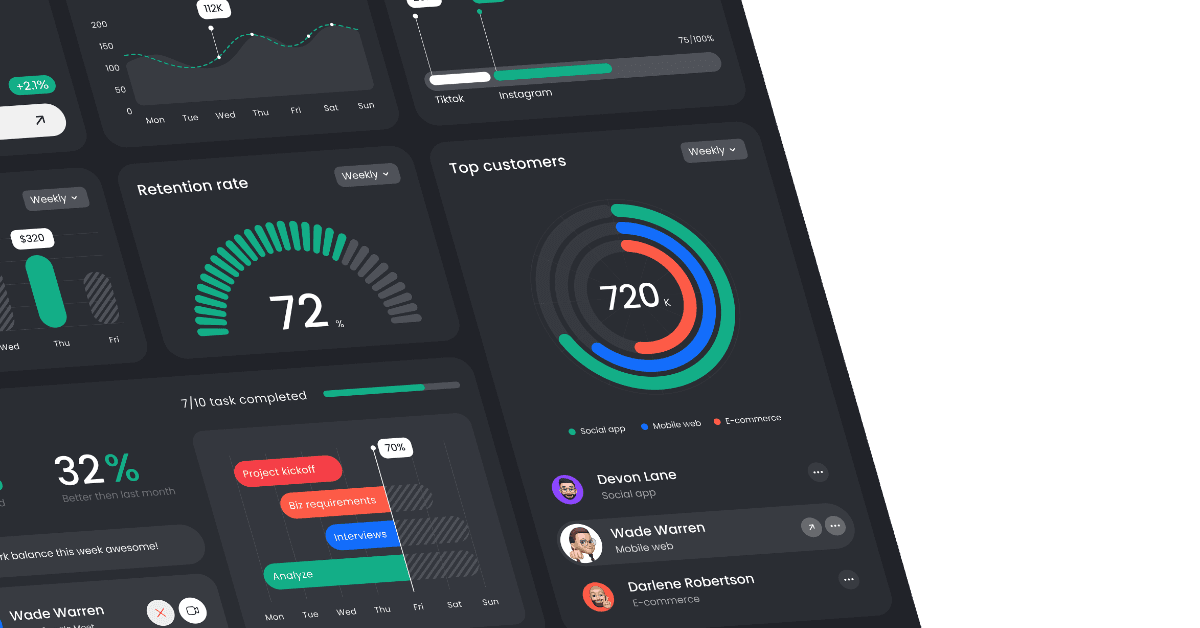
AI automation, wired into the stack
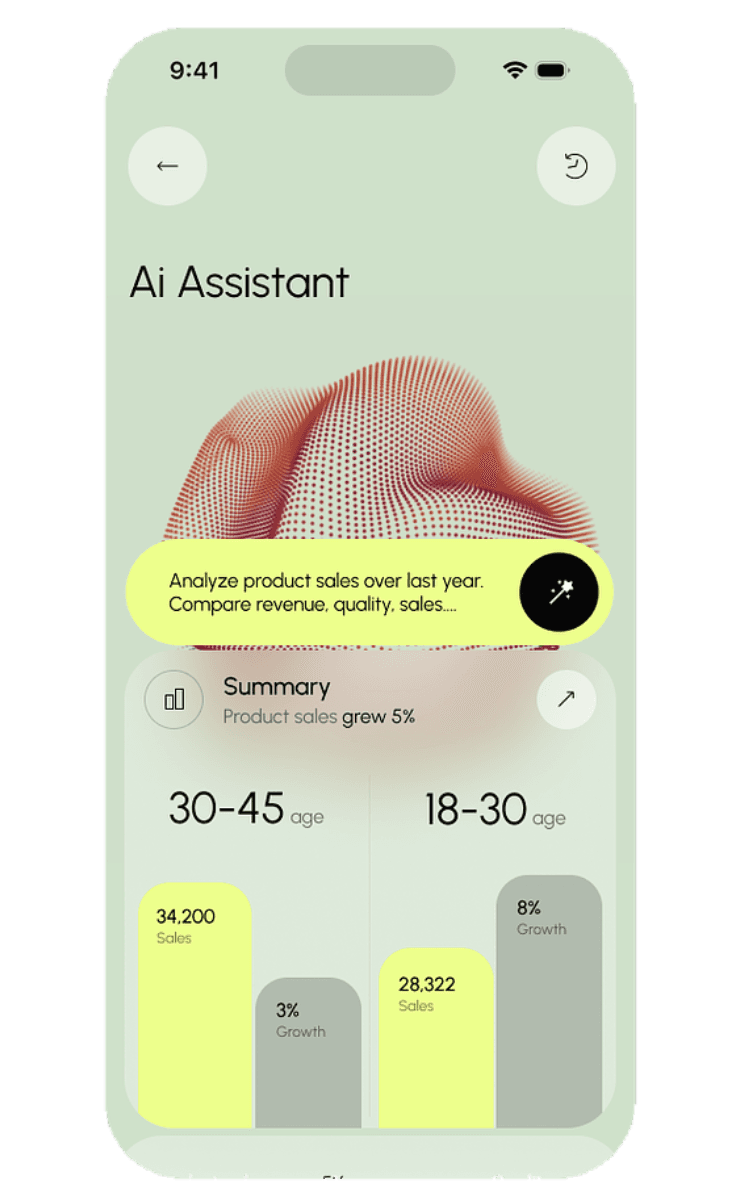
Internal copilot
USE CASE 01
An internal copilot that knows your business
A private assistant that answers from your documents, tickets and databases, so support, ops and new hires get the right answer in seconds instead of pinging three people.
USE CASE 02
A lead pipeline that runs itself
Capture, enrich, score, route and follow up, automatically. The system handles the busywork and hands your team only the conversations that need a human.
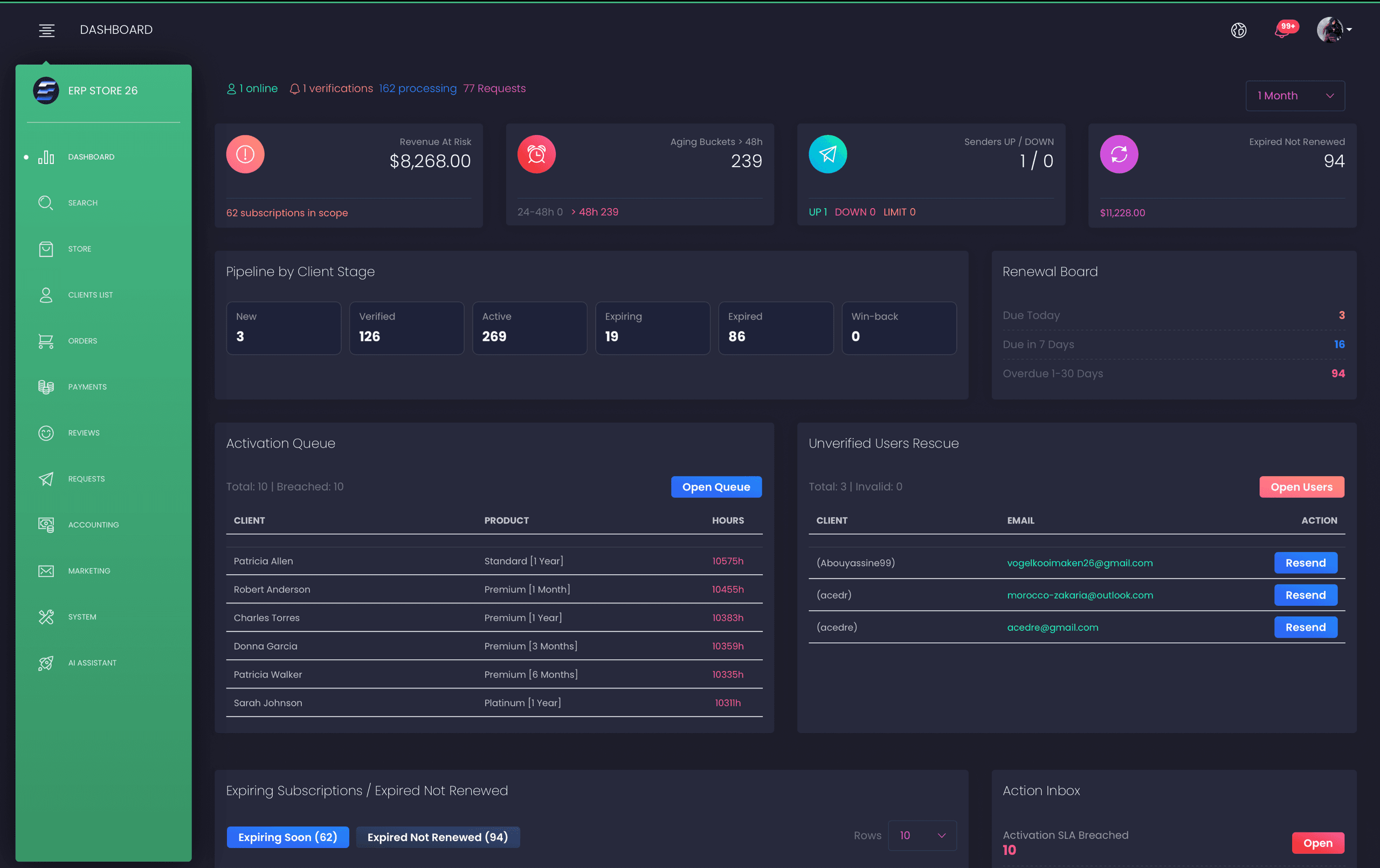
Automated lead pipeline
The AI stack we build on
Model-agnostic and integration-first: the right tool for each layer, wired into your systems.
- Claude API
- OpenAI
- Vector DBs
- Python
- Node.js
- Laravel
- Queues
- REST
- GraphQL
- Webhooks
- Postgres
- Redis
How it ships
Prototype to production in three moves
A tight, transparent path. You see working software early and often.
We pick one high-value process, map every step and data source, and agree the measurable outcome before a line of code is written.
2
Prototype & data connection
A working prototype connected to your real data. You see it acting on real inputs within the first sprint, not a slideshow.
3
Deploy & iterate
Production deployment with monitoring, guardrails and a feedback loop. The system improves against real usage instead of assumptions.
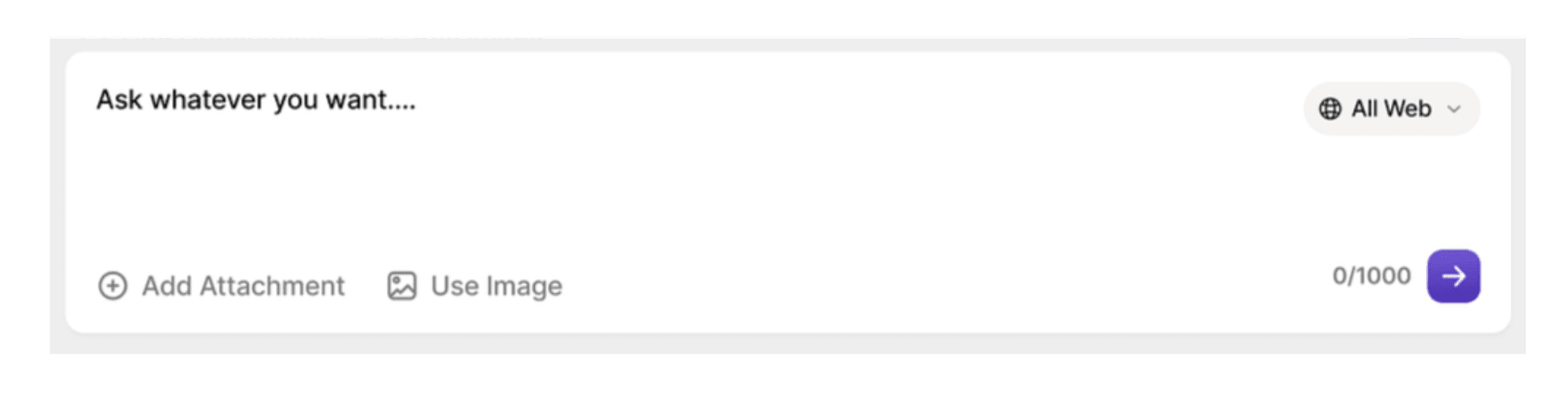
Copilot in the workflow
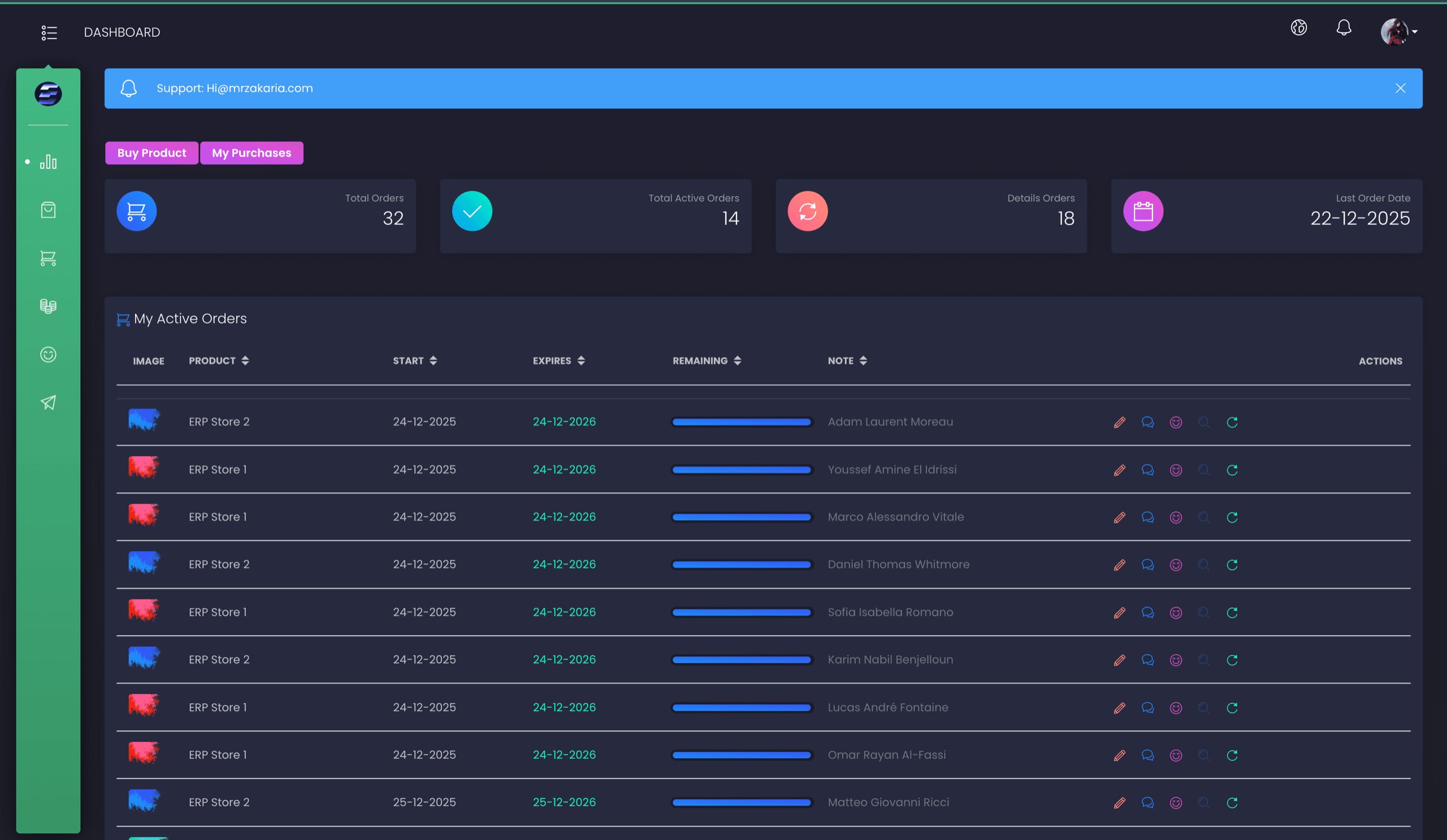
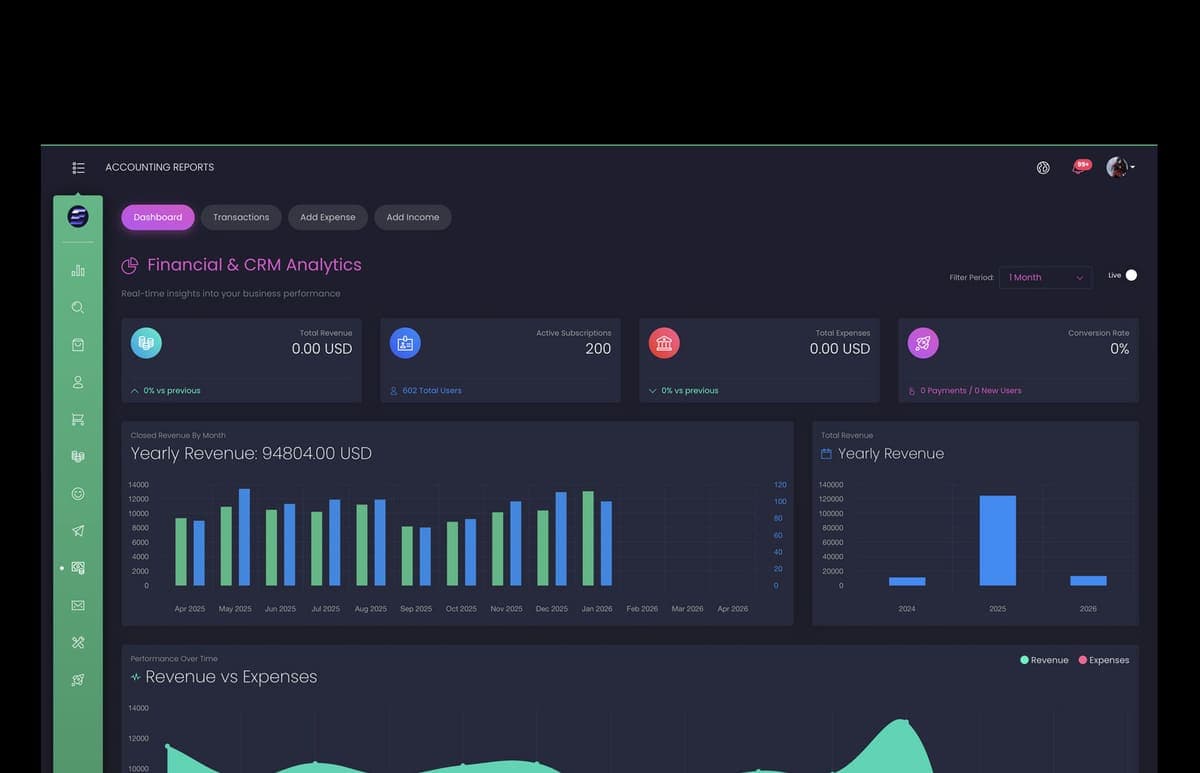
Automation dashboard
What clients say
Reviews from clients MrZaKaRiA has built and hosted systems for.
Words from clients, as they wrote them:
"MrZaKaRiA programming services are exceptional. They’ve helped us develop robust ERP solution that have streamlined our operations. Their team is knowledgeable, efficient, and a pleasure to work with."
ALFIRMA
Manager
"As a startup, we needed a reliable partner for our online presence. The web design, programming, and hosting services we received were outstanding. MrZaKaRiA played a crucial role in our success. We couldn’t be happier!"

SHI
CEO & Founder
Where it plugs in
Systems the AI can connect to
 Slack
Slack Salesforce
 HubSpot
 Stripe
 Notion
 Twilio
 Zapier
 Google Workspace
SEE IT IN THE WILD
AI WOVEN INTO REAL PRODUCTS
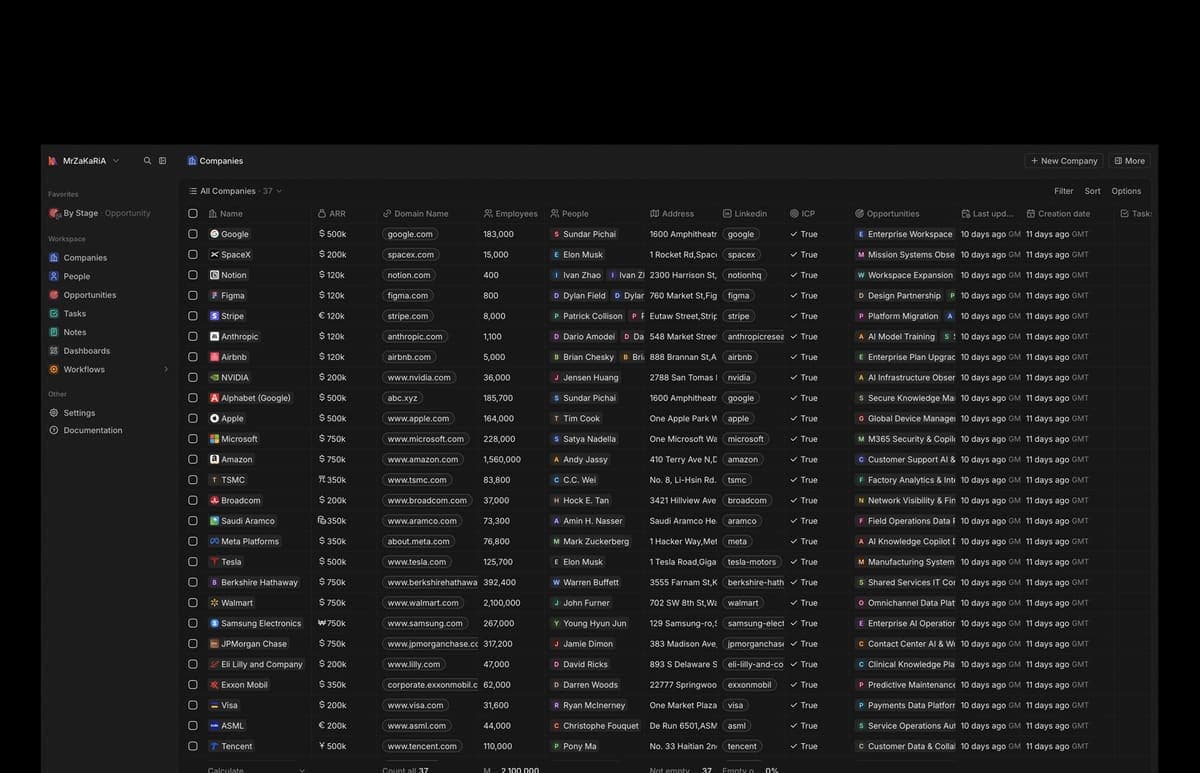
Both products ship with AI built in. ERPStore adds an assistant to subscription billing, and Enterprise CRM adds AI-agent steps to no-code workflows.
FAQ
AI automation, answered
Straight answers for teams deciding whether to invest in a real AI system.
Business-specific systems. A generic chatbot answers from the open web and forgets your business the moment the tab closes. What gets built here reads your own documents, tickets, CRM records and databases, and is scoped to one real workflow with a measurable outcome: fewer support tickets, faster lead response or less manual data entry.
2
Can AI be integrated with the CRM or ERP system I already use?
Yes. Most engagements start there. Your existing CRM, ERP or internal tool almost always exposes a REST or GraphQL API, and the AI system reads from it and writes back into it directly. Results land in the dashboards and records your team already checks, not in a separate app nobody opens.
3
How long does a first AI automation take to go live?
A scoped first workflow, with one process and one clear outcome, typically reaches a working prototype connected to real data within the first sprint. A monitored production version follows within 3-6 weeks, depending on how many systems it integrates with. The discovery step keeps that scope tight instead of open-ended.
4
What happens to the data the AI system touches?
It stays inside infrastructure you control. The system calls your existing databases and APIs directly instead of exporting data into a third-party SaaS platform, and every AI provider call is logged with usage and cost tracking, so there is a clear audit trail of what the model saw and generated.
5
Which AI providers or models do you build on?
The systems are model-agnostic by design, commonly Claude or GPT-class models depending on the task and budget. They run through one integration layer, so switching or mixing providers later does not mean rebuilding the workflow. For models that run on your own hardware, see the local AI page.
6
What does it cost to run an AI system month to month?
Running cost is mostly model API usage plus hosting, which scales with real volume rather than a fixed license fee. Budget limits and usage tracking are built into the deployment from day one, so cost stays visible and capped. The build itself is a custom project from $10,000, scoped up front with a fixed price and milestones. We scope it, quote it and start within 3 to 5 business days.
Plan your AI workflow
Map one high-value process and turn it into a production-ready automation system.